The Neuro-Architecture of Sleep: Designing for the Void
Why the standard bedroom is a failure of modern "Образ жизни" design, and how to engineer a sanctuary for cognitive recovery.

Aesthetic Director • 12 Min Read
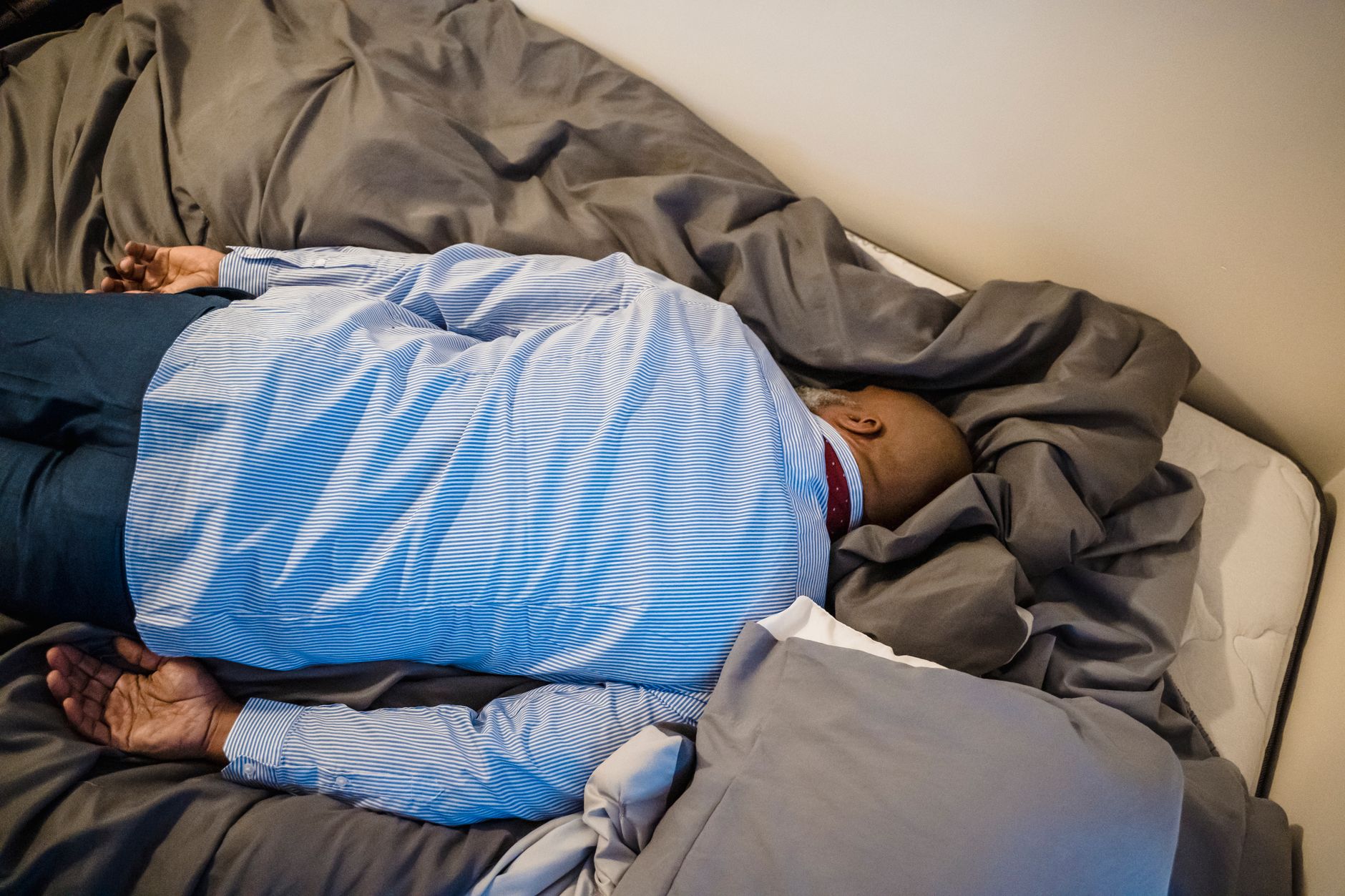
Sleep is not merely the absence of activity; it is an active state of neurological restoration. However, most modern environments are hostile to this process. From ambient blue light to suboptimal temperature regulation, our bedrooms are often the weakest link in our personal "Образ жизни".
In this deep dive, we explore the principles of neuro-architecture applied to the sleep environment. We discuss the impact of far-red light therapy, the importance of non-volatile organic compound (VOC) materials in bedding, and the use of adaptive soundscapes to maintain deep-sleep cycles.
Key Design Protocols:
- Circadian-locked lighting systems
- Dynamic thermal regulation surfaces
- Bio-feedback integrated environment
Designing for 'the void' means creating a space that disappears when you close your eyes, leaving only the pure, restorative darkness required for your brain to perform its essential maintenance.